 Episode No:147
Ep #147: Reimagining Remote Work with Data-Driven Virtual HQs ft. Erik Braund (CEO, Katmai)
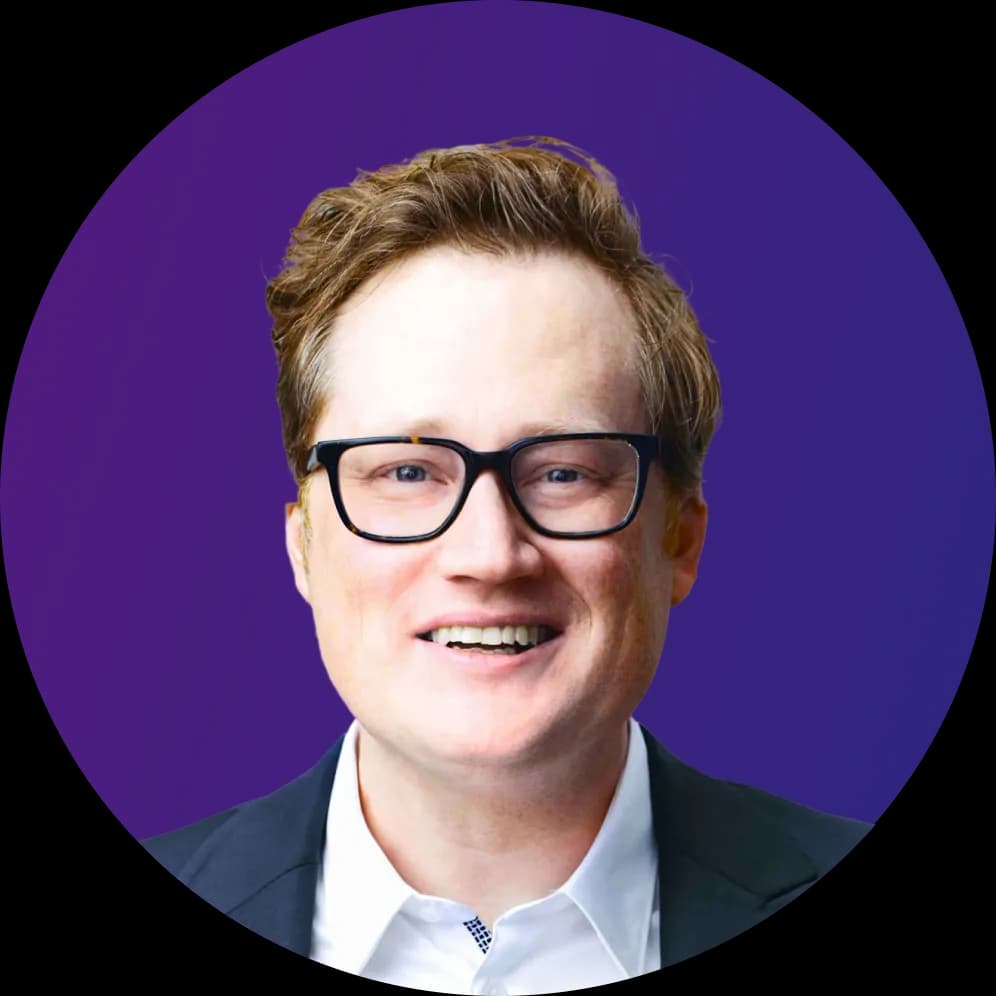
Erik Braund
Founder & CEO, Katmai
Listen & Subscribe
Episode Summary
In this episode of the Hyperengage podcast, Adil Saleh sits down with Erik Braund, Founder & CEO of Katmai, to explore how they’re transforming the future of remote work with immersive, data-driven virtual headquarters. Erik shares the personal and generational entrepreneurial journey that led to Katmai’s creation during the COVID-19 crisis, driven by the urgent need for meaningful digital collaboration. They discuss the evolving workplace—from remote startups to global enterprises—and how Katmai is helping teams replace rigid calendars and Zoom fatigue with spontaneous, human-first interactions. Erik dives deep into their customer segments, success metrics, and how Katmai’s smart environments foster culture, productivity, and visibility. The conversation also touches on AI integration, qualitative insights, and why Katmai is building for people, not avatars.
| Key Takeaways | Time |
|---|---|
| Remote Work Isn’t Binary: The Real Problem with Zoom | 6:25 |
| Redefining the Virtual Office Across Customer Segments | 11:20 |
| Workflow Integration & Productivity Tools | 20:55 |
| Customer Success and Personalized User Experiences | 23:16 |
| Katmai’s Human-Centric AI Philosophy | 29:05 |
| Enterprise-Ready with No Hardware Required | 35:15 |
Transcript
Adil Saleh 0:38
Hey, greetings, everybody. This is Adil of Hyperengage Podcast long time coming with a lot of unique guests and products that we're, you know, talking in depth with, like how it changes with post COVID and and even the bigger I would say the evolution is in the AI, like agentic frameworks and all of those. So, you know, I'm so much curious to you know, talk about different founding mindset, top leadership across different industries, different different customer segments as well. Today we have the founder and CEO of Katmai. It's, it's a robust virtual workspaces that they're evolving. It's a tech company. They've been there about for about five years now, and they're making a huge impact. Thank you very much, Eric, for taking the time.
Erik Braund 1:23
Thanks for having me. I appreciate it.
Adil Saleh 1:25
Love that. So Eric, thinking about you starting out back in 2020, 10, like 15 years back as an entrepreneur, you know, doing this agency, like doing this production, you know, branding for these big, giant businesses, like in the likes of Amazon and all these names that you have not to mention. So how did all transform you as an individual, as an entrepreneur? I know that setting a business or scaling a business is no different when you you know the fundamentals remains the same. You can apply it anywhere, going into a tech but seeing a shift into a service business to a tech business, it's a big shift. So how did you all, you know, transform in the quick 10 years doing a business and then you started back in the five years back this Katmai. So could you walk us through the entire mindset and what kind of people that join you in what kind of contributions you made, you had alongside alongside you?
Erik Braund 2:21
Yeah, absolutely. You know, it goes back, I think, closer to, like 120 130 years. I'm not that old. I'm only 40, but I my great grandfather came from Norway to Alaska and started a shipping company. My grandfather had a construction company. My father had his own anthropology consulting company. And so for my brother and I, there was no other option. We were going to be entrepreneurs of some sort, because that's all we knew. And we didn't know these big fancy words, like scaling. Growing up in Alaska without the internet, like, you just know, like, Oh, I'm going to work and do stuff, you know? And so I think by the age of 10, I was mowing lawns and shoveling driveways to make money. I was highly motivated, just always to do something. By the age of 14, I worked at a guitar store. And then maybe by the age of 16, I remember I rented out a space above an auto shop to start what I would call then a recording studio, which was like very crude audio recording stuff, working with bands. So, like I was in high school, but I had, I think it was $640 a month was my rent. I was laid on it once, which I still feel bad about. And, you know, I've just always had that spirit and that drive to do stuff and get paid for it. And I've had one job, and it was at a guitar store for $6 an hour and $6.25 an hour when I got my raise. And I'm happy to say I'm still friends with all the people at that store back home, too. So fast forward, though, you know, post college, I did drop out of college three times. I dropped out of college, enough times that I should be a doctor and a lawyer instead, I have a Bachelor of Fine Arts. So, you know, these are the these are the decisions we make. And you know, I'm in my late 20s in New York getting my my start saying, Okay, I'm going to do my audio video production stuff here in New York. It was audio production that morphed into video production, and then that morphed into, Oh, I've got an office in Los Angeles and studios in New York, and were making content for huge brands, you know, large global brands. And that really got humming, like, really, the business was great. Let's just say, by kind of the end of 2019 and then the beginning of 2020 I was just like, weird. What's going on? There's no work lined up. I used to have like, three to six months of work lined up and all over the place, and now there's nothing. This is strange. And then it turned into like, while the world didn't quite know what was going on, my clients were calling me to help solve problems. And the problems were, we can't be in person. We can't do our all hands. We can't make this commercial. How are we going to make it? We still need to do it. We still need to have the all hands. So I was basically, like a problem solving broadcast, whatever you need, online company for like six months, and I just kept hearing all of these needs, and the solution was, oh yeah, Zoom is great for like, a scheduled meeting with a list of participants. Sometime next week or next month, like, that's what it was designed for. We're gonna have a video conference, because we're gonna take away the opportunity cost of having to travel. And we don't think that the you know, the juice is worth the squeeze, so to speak, to be in person. This will accomplish it. Now, candidly, I would rather be sitting across the table from you than looking at you on zoom right now, I think we'd have a better experience. We could talk about being dads and, like you know, all of that stuff. So this problem emerged, of we can't be together, but we need to. And the only solutions the world had were squares of faces at a predetermined time and meeting link. And now that's not to be crass, against those solutions, because they helped the global economy move. They gave everybody on earth. Well, they gave, sorry, they gave a lot of people freedom, right, freedom from the Monday through Friday, nine to five, freedom to have some of those moments at home, or freedom of flexibility in the work day. And then now we're kind of tumbling into, what does that mean for everyone? Because we've given freedom. Some people say, come back to the office. Some people are like, Well, wait a minute, the global economy has still done okay while we're while we're at home. Do we have to come back five days a week? And that's the kind of like condensed version of how we got here. And Katmai is what I believe very, very strongly, is a major contender for being part of that global solution.
Adil Saleh 6:28
Very interesting. And you mentioned about, of course, that initial adoption that was pretty quick COVID was pretty much expanding across North America. And then, you know, it was, people were looking for solution. Like it was. They were somewhat like desperate for solution. Like, you know, Zoom got, like, major chunk of their revenues, the top line revenues during that time. And you know, how do you see as a founder, compared to, like, the mindset of people on the other side using and consuming these tools to what it was post right after COVID, to what it is now, I know a lot of companies thinking of having hybrid roles. A lot of companies are cutting down on remote roles. Even though they are doing remote roles nationwide, they're specifically for some locations. They're not completely remotely hiring. So how does I did speak two years back, I speak to one of the companies named verbela. I think you got Yeah, so they came and they had similar vision with a different kind of use case that they're trying to approach. But again, the problem was same, like they're still finding it really, really hard to get business use cases to be adopt for longer term view in a business. So how, what's your viewpoint on this? At this?
Erik Braund 7:43
Yeah, it's a great question. Speaking of for Bella, I think is really interesting technology. I think they went more after the events market. And that for me, I never wanted to enter the events market first A because there was lots of people that built a product that were like, Hey, this is what we're doing. And like, did I need to enter that market first? Because I had a different vision. We started this company as a reaction to COVID. It wasn't 2018 or 2019 so we had many years of R and D to even bring this thing to market. Right? I think the mindset question is fascinating. Here's one extreme. The CEO of zoom has a leaked announcement from about a year ago that says everybody has to come back to the office. You can't run a company on Zoom. So, like, let that sink in for a minute. That's, that's one end of the spectrum. Like, zoom, at one point, was worth more than all of the major airlines combined, right? And he said, there's no, there's no culture and accountability. I'm paraphrasing here, but it was, that was the idea was, like, we got to be back in the office. That's where collaboration happens. And I'm just like, I call total BS on that personally, but I understand it. And then on the other end of the spectrum is like, you know, an Airbnb who has said, Hey, we adopted remote early. You can live anywhere you want, as long as it's within the 90 day travel visas of these countries. But like, go be a digital nomad and work for Airbnb. So it's like the other end of the large enterprise spectrum, and then you've got kind of the Jamie diamonds of JP Morgan saying everybody back in the office, you can't grow your career. There's no mentorship, there's no visibility, there's no accountability, everybody back in the office. And I'm just like, again, it feels like this stuff is like only looking at the future of what remote work can be with two options back in the office, or Zoom meetings and like, the funny thing is, if you go, at least in the States, every single large office I have visited in the last two years, like kind of post pandemic. Let's say every single office you walk in, there's people at desks with two screens up, and one screen is the Zoom meeting that they're on, you're like, so wait a minute. I came in the office on Tuesday on an alternating schedule because my. Company has shrunk their real estate. It can't even fit all the employees. I don't even have spontaneous access to half the people. I don't even know who's gonna be in the office, and now I'm just at another Zoom meeting all day long. Like, how is that the solution? I think that's totally insane. And I think that's just looking at the world through, like, only kind of black and white and like, I'm just like, there's something in between, and it's cat by it's virtual headquarters. There's other virtual headquarters that are. There's other startups tackling the same problem that we are. I mean, hell, meta is tackling the same problem we are. They started early on. They said we're going to put $20 billion a year into strapping this monster headset on our face, removing us from reality, making you look like a cartoon and making me look like a cartoon, that is not a world I want to live in. That's a dystopian nightmare. But it is validation that even some of the biggest companies in the world think there's a problem, right? I just think their solution sucks and it's insane. I think our solution is excellent, and I think there's other startups that have very interesting approaches to it too. So I'm very much a like rising tide. Floats all boats. I love that. There's other companies in this remote headquarters space. We're all taking a little bit of a different angle. There's room for multiple people to do it, just like in a downtown city of a in downtown of any city in the world, there's room for two skyscrapers. There doesn't have to be one skyscraper, right?
Adil Saleh 11:23
Absolutely, I love, I love this knowledge that you brought like thinking about also, you know, of course, we're not going to be thinking about scale, because it's a business use case. How do you see your customer segments evolving over time? I know the percentage increases remote versus on premises, or hybrid versus remote. How do you measure success around these these segments and make sure you you serve them in the best way? Because, of course, it's all about personalized user experiences and all of that.
Erik Braund 11:56
Yep, great question. So we've been in the market since February of this year with a virtual office product that you can go sign up for a trial and put your credit card into the end of the trial and try it out and get all the tips and and use it. We spent over four years developing the technology that then we did a beta to turn it into a product, and now it's product in the market. So we had a hypothesis during this time, which is our ideal customer is a fully remote tech startup of 21 and under people. So it's like a smaller company. They're fully remote already. They're a startup. So they're like, five years or younger. So they're, like, they're nimble. Maybe they don't have a long term office. They might have started during the pandemic all of these things. You know, they're maybe a tech company. They've all got, you know, Apple M fours or whatever, like, that was what we thought would be the first early adopter, and that's where we would start digital marketing and targeting. What we weren't ready for, truly or weren't expecting, I'll say, is the large in office company is also interested in our product, and so is the hybrid company in between. And so this has been a really interesting rapid fire learning, like, I'm just off the road from from two weeks of in person meetings. Because again, like I will make the investment to go meet people, to start a relationship. I think it's super important now that being said, we operated Katmai for almost three years without a bunch of us meeting. So because we worked in our software together, we see fully remote companies kind of adopting this virtual office concept and product as their centralized place. It's like Monday morning. You fire up your browser, you go to your office, your team is there. You can have a quick two minute conversation. You can have your stand up. You have access to each other throughout the day. Before you know it, the technology has seamlessly blended away, and you're just like, Oh, I just have a place. This is really easy. I can just talk to people. I don't have to go through the awkward calendaring and scheduling. I could leave my calendar open, because they're right there. They're across the hall. That is the whole value of the physical office, right? You've also got interest from hybrid companies, and as they become hybrid, it seems so far, the company size gets a little bit bigger, and the hybrid company still has a problem. I've gone into the office on Tuesday and Thursday, but my colleagues have gone in Monday, Wednesday and Friday, or, like, we're all in the office Tuesday through Thursday, but on Monday and Friday, we still need a better solution, because my Monday and my Friday are nothing but 30 minute calendar meetings the whole day. I can't get any work done, and I can't, like react to anything that happened the day before, because I'm already bricked on Friday. And then the enterprise, or the fully, fully in office companies that have shown interest in katmed have started to adopt they have offices all over the world. So it's like you've got a London office, the Boston office, the Seattle office, the Florida office. It's like they're still all over. The world, so the teams are still distributed, and what we're doing there is breaking down this barrier of, like, Yeah, I'm in New York and you're in London, but like, I can just come see you across the hall. That is pretty damn cool. And that changes the way our brains work. Changes efficiency. And we call it this. Our slogan is in Katmai, you can work at the speed of thought, because as soon as soon as you can think of an idea, you can go bounce it off your colleague. You can rub three more people in, and now you're in a you're in a meeting. Yes, it's a meeting, but it's all about the generation of the meeting and how it happened. It wasn't in 10 days. Let's talk about this. And then everyone spends the first five minutes of the meeting saying, What the hell are we here for? I can't remember this. Oh, something's already outdated. We better change it. Someone hasn't read the one sheet. You know, it's just like meetings are a mess. We've determined our mission is to help you delete your meetings. Because this way of like my schedule is nothing but meetings. That is, to me, the fundamental flaw with what has happened post pandemic. So that's a huge part of the problem we're trying to change.
Adil Saleh 15:44
Amazing. And I was also thinking in a different way, like, like on the roads, like, let's say for leadership roles, like how you like in your workspaces, ensure the reporting part. I'm not saying like micromanaging or accountability, like app staff and all these tools, but how you ensure the reporting part for the leadership, like across the productivity and, of course, the task management, I'm sure you're also working through their workflows like you have some sort of integrations. Would appreciate if you tell us.
Erik Braund 16:15
yeah, of course, I think that visibility is one of the biggest challenges that especially larger companies have with remote work, it's like, okay, if we're on teams, maybe there's a little dot that's green or yellow or red, and same with Slack, right? And like, the slack bubble can be green, but like, they're not getting back to me, you know? It's like, are they there? I don't know. And then it kind of can create this self fulfilling prophecy of like, no one's working, even if people are working, like, it's kind of an unfair tool to track anything, in my opinion. So we think of visibility not so much as like, we want managers to be watching employees. It's a two way street. It's like, if you're an employee that has started a new job, you don't know anyone. You don't know how to be like, Hey, I'm a go getter. I was here five minutes early and I stayed 10 minutes late, and I'm available, and I'm working, and I'm here and I'm committed. Like, that is a huge problem a new hire has at a remote company or hybrid company, and we, we've definitely solved that. In terms of, you're just there, it's like, it's really obvious. I could go log into my office right now, I didn't, because zoom and teams and all these things. I just want to be focused on you I can go log into my office and see who's there. Mentally, I'm not being like, Well, where is so and so, and why aren't they here? Because we're everybody's getting work done, and everybody comes in, and we're pretty flexible the way we use it. But I also like, I log in and what happens is I see someone that's parked in a pod, and I'm like, Ah, there's Michael. I'm gonna go talk to Michael, because I had 15 things I wanted to talk to him about. I didn't want to schedule a meeting. I'm just gonna go talk to him like that, right there is, like, the beauty of the whole thing. I'm definitely off on a tangent, and have forgot your primary question. You're gonna have to ask me again.
Adil Saleh 18:01
Um in the reporting part, like a lot of these leaders, especially with the remote teams.
Erik Braund 18:06
You know what's what's fascinating is we have a growing user base in the United States, like North America and in Europe, and the reporting from leaders piece is very different in the two regions. So as a generalization, I'll say American companies have requested, hey, can we get more data around, like, who's logging in and for how long, and are they productive? And what are some statistics on meetings? And we're actually starting to see, like, really interesting stuff. We don't have it productized yet, but we can pull some data, some some like, meetings based data, and we found for our company, specifically, 71% of our meetings are not on the calendar. 29% of the meetings that we have as a company internally are scheduled. 71% just happen. And I think that is so cool, and their average of like six or seven minutes, because it's not 30 minutes, right? So the inbound requests we're getting from customers are, could I get a little more productivity data? Could I get some kind of like, who was in for how long? We want to be very careful to not be like Katmai, the time punch, time clock software, the accountability software. We want to basically give companies tools and enable them to run their culture how they see fit, right? Because we can't fix a broken culture, but we can kind of lift up a like, a good culture that is struggling, remotely, to find that connective tissue between everybody, right, and the brand and the company and the mission and all those things. Because we found, like, Oh, here's like, in a place together, whether it's virtual. Or not that's branded with your company. It helps that connective tissue. But I will say it was and for all, we can't solve bad culture, like bad culture that's on the company, bad managers, that's on the company. In Europe, it's a little bit different. In Europe, it's like must respect all GDPR, all privacy. We don't want any of that information. Do not track that information. Do not give it to not give it to us, and do not record it, and do not store it, you promise. And so, like, that's been, like, a really interesting when I said we got earlier interest from larger companies. That was a step where we're like, oh yeah, we better. We better really make sure these are different the way we handle all these things. And, you know, build a dynamic system on our side of how data is tracked and deleted and retained and not and all these things, because in a couple of short months of being in the market, we're seeing the full the full spectrum of data requests. I want it all. I don't want any of it.
Adil Saleh 20:36
And also on my question, building up on it, thinking about productivity tools that a lot of these startups that you mentioned that you're pretty much expanding on the startup going up market, you know, more towards the remote and hybrid infrastructure on organizations. So how do you see it working within their workflows, like integrating with their task management, or, you know, integrating with their, with their product management tools, integrating with their, of course, meeting tools is pretty fine, like you guys can enable, so all the qualitative and quantitative data both and give it them from the reporting side.
Erik Braund 21:15
Yep. So my, my vision, long term, is that Katmai for all of our users, is like the first layer, and it's I opened cap my and now I'm in my place for the day, and I could be walking across the hall to see you, then we work together, but I could also go to the other company's office that's invited me, and I've got a little notification. It's like, hey, you need to go see so and so at a different company, but you have permission to go. And it's like, this very easy kind of connective communications layer. Now our next step is, okay, let's bring your familiar tools inside of that, because, like, early beta requests building this virtual office where I want to switch to other applications less, like, I like it in here. I want it here. Bring my things in. So we've done a ratings of like, okay, what's coming in first? What are people really looking for? We're building a Slack integration right now, and that serves multiple purposes. It's like, I've logged into the office. It updates my slack status and says, Eric's in HQ. You know? You can click on that and join me in HQ. You know I'm in HQ. Now, like I'm present, I've shared that I'm present, I can also send and receive some slack messages in and out of Katmai, and just like leave Katmai less. You know, we also have in the pipeline some pretty cool stuff where, let's say you're a new customer and you're using teams at your company, but you love Katmai and your team of 10 people wants to use Katmai, the other 90 people at your company can't be bothered, and they just want to use teams. We now plug it in where, like, you can be in Katmai and have the teams meeting, and teams can be in Katmai, or the teams people can be in teams, but it's all connected. I did a terrible job of explaining that, but it's like no one has to leave.
Adil Saleh 22:55
You’re basically enabling team level access, you know, to the platform and to the spaces, to the headquarters. Okay, perfect. So thinking about the customer success in in a wider time, I'll be specific on the question like, just talk about one segment, be the small, remote team of 50 people a tech company. They're using a handful of tools. I mean, most of the tech companies, they're trying to do more with less. Yeah, trying to cut out the tools as much as possible and do more using AI, LLMs, all of these. So how do you think you measure success for your platform? Like, I know that you have different events, success matters. So how do you have, like, standardized, standardization of success around one segment to ensure that you're making them to adopt to the platform the soonest, like the time to value and then how you're making sure that they're well retained. They're actively using the platform, consuming the power features that you have inside some of the features that you know you really want them to use. So how, how kind of that is more data driven. How's that flying in?
Erik Braund 24:02
Yeah, great question. So let's just start with kind of the fully remote or like semi hybrid company, like 50 people or less. We look for frequency, duration, and then another really key one is external people invited in. So it's like, have you logged into Katmai? You've created a Katmai you've added your users to now you're all have, like, effectively, your your badge to get into the office like you would in real life, and then that solves the like, Okay, we've we've got people. There's a group now, have they been told how they're going to use it by someone at the company? That's a really important one. They got an invite. They ignored it. They didn't know what it was. So some. One has to drive. Like, okay, we're using Katmai for this reason. We encourage the adoption to be what we call office hours. It's like, Hey, do you have a stand up every day or twice a week? Have your stand up in Katmai and then stay, don't just close it when the meeting's over. Stay for 30 minutes. Stay for an hour and see what happens. So like, I kind of look for at the data to be like, Okay, this company has signed in twice. Each time was for 30 minutes. They haven't quite got it yet, because so far, they've just had a media a meeting in a cool 3d environment. But they haven't got the core value of the spontaneous interaction and like, that is something that is, like, really remarkable. When you unlock it, you're just like, Oh, I get it. Like, Oh. So we're trying to get people to that moment, right one. So generally, when we see the like, startup, sorry, stand up and stay. That's what starts to work when someone has become comfortable enough to use our, what's called link to me feature that basically says, Okay, I'm Eric. I have a my own URL. I want to have a meeting with someone that's not in my company. I want to have a sales prospect meeting, a vendor meeting, a social meeting, like, whatever it is, if they've made that decision to do it on Katmai and not on Zoom, whatever their default was, a that's like, oh, okay, good. They see that they can bring in the world to them, to their place, and then they also, oh, we're comfortable enough with this technology and this concept where they get to evangelize it and talk about it. So we have a couple anecdotes that I think help illustrate this. So it's not me talking about it. It's like one customer got rid of their office in a major US city. They gave up their lease because Katmai did it, everyone wanted to kind of not commute to the big city. They got to save $52,000 a year or something like that, and, like, not have an office anymore like that. To me, is like, whoo, big check. Now that's not my goal, because I still think there's value to being in person. My goal isn't to totally annihilate commercial real estate, but my goal is to, like, update our thinking on commercial real estate and the value of it.
Adil Saleh 26:42
The mindset.
Erik Braund 26:45
Yeah. And then another anecdote is one of our early customers, one of our early customers, sent me an email. Is like, Hey, you helped me close a 1 million euro deal. I was like, Oh, how'd I do that? Do you have any more of those to go around? I could take one of those. And he left, and he said, rather than have a new sales meeting, whatever it was, they were teams that they were using for their external things, we decided to have it in our branded headquarters. And this was maybe a year ago. This is a beta customer, so things were even clunkier, like we were solving some friction For first time users. And he was like, they joined, it was like, a little funny and a little clunky, but they looked around and gave the like, where am I and who are you people, and what is this? And it set this company in a whole new light as, like, an early adopter and innovator of technology. And it helped frame like, Oh, if this is how they're running their own business, they're going to be thinking of, how do we take our business forward facing and not just looking back at tools in the past? And they were taking this pitch against a much larger company, and they didn't think they were going to get it. I think it's how the story goes. He's like, we got it, and it was because we took our first sales meeting in Katmai. Now, obviously they made the sale after that. But you said it just like, helped form this bond and way of work and kind of perspective of how this company approaches things.
Adil Saleh 28:09
Yeah, and it's also unique, like, human human connection is the biggest thing that people strive for, like, especially these sales people, sales leadership founders, because there's so much of everything that's happening. Like, you talk about sales, intelligence, you talk about meeting assistance, you talk about transcription, you talk about, like, there are loads of technologies and tools and people on the other side of the table. They're absolutely bored. They're like, they're thinking some unique experiences, unique connections that that make it more personable. And I think that's that's also one of the, one of the winning strategies that that actually made an impact there. So now thinking about AI. How do you see it like when data comes AI comes into the play, especially the last six months with some newer models, smarter models, cheaper models, on the API side, how you're thinking as a founder? What makes you excited? What kind of initiatives are you talking you know, you're thinking like towards the agentic framework, because these agents are pretty wide, as you know, to make them specialized for your use cases, for your segments. Having multiple of them, I've seen Gong have actually 10 plus agents to launch, like in six months. So how do you see this, shift within your technology and how you're thinking of enabling your customers and adopting, making your customers to adopt this?
Erik Braund 29:28
Yeah, great question. So far in the North America, we've had a lot of requests for, I want an automated note taker. Like, that's, that's the first like, AI adjacent request is like, just take, take notes and summarize. Yes. And so we're, you know, we're down the path of build our own versus integrate all the popular ones. And so that's, you know, a big bucket that we're working on for step one for the consumer is based on what they've asked for. Again, going back to kind of the EU it's the complete opposite. Literally, the complete opposite. I don't want it. I don't want I don't want I don't want someone listening to my meeting. I don't want someone transcribing it and summarizing it and publishing it and storing it. I don't want it. So that's, like, very interesting, and I'd be really curious to hear if, like, other companies are running into this similar thing.
Adil Saleh 30:11
That's why Microsoft team always wins.
Erik Braund 30:16
Yeah, yeah, when it comes to how are we looking at AI in terms of what we'll do for our users, I think the very first and obvious one is you take all of the data that could be captured, that people have opted into, and you could deliver really powerful, productive, enhancing insights. And it's like things like, you know, are my sales and marketing teams talking like, what's the heat map of my company? What's the communication in my path? Are we siloed? Where are we siloed? How do you know we're siloed? Hey, Eric, you haven't talked to John in a month, but you've talked to Jim 3000 times in the last month, and you'd be like, Oh, that's an interesting statistic, right? Like, huh? And I would just give maybe some personal insights of, like, where you're spending your time. And we want this all to be very additive. We don't want it to be weird, we don't want it to be creepy. We don't want it to be big brother. So as we think about, like, yes, it's very powerful, but like, let's make it a value add that everybody's getting something out of, and it doesn't become some crazy management tool, like, I don't, I don't like that, but I think there's value to add on both sides, right?
Adil Saleh 31:25
So a lot of this is dependent on the qualitative data points that you're talking about, like meeting notes and all those anything that you think like there's, there's some sort of quantitative like data on the on the user actions, interactions, how you can basically personalize those experiences, specialize those responses using agentic frameworks?
Erik Braund 31:47
Yes. So I would look at, for those that opt in, Katmai as the smartest real estate in the world. It's like ultra intelligent real estate, because even your most modern, green, certified yada yada building that was built yesterday in New York City, for example, pretty much all you can get, if you're a company with an employee, is, did they badge in and win? And did they badge out and win? Like, you know what time? That's it. That's the information you have that and maybe, maybe, like, okay, they sat at this terminal and they were typing their keys. You know, we know lots of companies do that. It's like, okay, they were at the desk, and then they paused, and they were at the desk and they paused so you could kind of create some journey about your employee that day. But that is like this it. And what we have is like, Okay, who is in and what departments talk to which and like, how long were their meetings, and were they using the screen share and like, did we notice that, like, Eric only has one on one meetings and never participates at a meeting of three or more? Oh, that's interesting. And that could be like, Hey, Eric, guess what? Did you know we have this feeding call feature called office hours, and this is something we're actually bringing to market soon. And this is for, more specifically, this is for the enterprise companies that have a very busy person that has 100 people that report to them that maybe wouldn't go and be so bold to, like, schedule 30 minutes on their calendar next month, but like, they need that connection and they work in different offices, or there's something to be unblocked. So it's like, Oh, I could Katmai could suggest, hey, fire up office hours. What's office hours? Oh, it's a 90 minute block on your calendar with a queue system, like a deli counter, take a number, get in line, enter this virtual environment, see the colleagues that you're there with or not. That's an administrative feature to be like, private or public. Like, create a possibility where people could all bundle in a room and, like, have spontaneous conversations while they're waiting to have their one on one. So it's like, this interesting, like, I've got a 90 minute Office Hours thing. So our company, for example, we use what we call the open door policy, because in these closed, sorry, in these, like, really high end, beautiful 3d environments, every room has a door for privacy. So if I if you come into my room and we click Close the door, no one can barge in. No one can hear us, no one can see our screen shares, just like we're pulling the blinds in a closed door meeting. My door is always if my door is open, that means come talk to me. If my door is closed, I'm busy, I'm in a meeting or I'm on the phone, but like, I don't, personally, I don't schedule one on ones. I don't have any of them. I have zero because I have them naturally, because we're able to have them naturally. So like, we kind of facilitate a more natural, what you said earlier, like human connection. It's the whole reason we're doing this human connection. We think we've built a better mousetrap for digital interaction, digital connection, recognizing 2020 changed everything forever. The world has now shrunk. The world is smaller than it ever was, because we all have a link to do this, but we want to make it natural, and we have made it natural.
Adil Saleh 34:48
On this human connection point like it, is even a bigger use case for large enterprises, where they have like with teams across North America, even in different different continents, and they have lack of visibility, as well as connection, coordination, all of that. So is that going to be just for the enterprises? Are you also thinking about building any hardware alongside, because I've seen a lot of companies doing this that they're actually patented their own hardware. They started with by little bit, third party vendors, and now they have their own hardware for like, maybe you mentioned the conversations and all that you can see here, all of that for bigger enterprise.
Erik Braund 35:28
I remain, I reserve the right to change my mind later in the future, I am so fully committed to we designed Katmai over years of research and development to work on billions of devices that everybody already owns. That was the first goal. You already own it, and we're gonna give you a brand new experience that you've never had on this device that you've owned. That's pretty cool. That's why we have a lot of patents. That was really hard to really hard to do. We didn't build it on the back of Unreal or unity or other 3d engines. We built it ourselves. Really hard to do. Took a long time to get to market. If I got to market two years earlier, this would be a slightly different conversation.
Adil Saleh 36:05
Yeah, like the team at Rome two years I guess last year, they were investing heavily into marketing. I went to their marketing play in central London last year. Gong. You guys are familiar with.
Erik Braund 36:18
Yeah, I actually, I used it maybe a couple weeks ago. Someone invited us into the room. It was interesting. What I love again, they're trying to normalize something that we are also a virtual headquarters, a virtual place to unlock more lifelike interactions. Now, they're, like, heavily into AI and agentic things, and they're like, have they're, I believe they call it like the AI powered super head something around right? Like, they're like, hardcore into, I'm a little bit different, and I'm, I'm, this might make me or break me, but, like, I think AI is wonderful for certain things so far, personally, but I am so big on the human connection and like, I think I'm a little more like work at my virtual headquarters for people, like, we are here for you and for me and for our teams and for each other. Our whole thing is to connect people. So so today we're a little less, like, we're an AI super computer powered, like trying because, like, we recognize first the biggest problem, the biggest problem is that everyone's calendar is full 100% of the time, like that. That, to me, is the biggest problem. When you're working remote or back in the office, you're just like, I don't have any time to use the bathroom or get any actual work done. I have no time to get work done, and then all these meetings, and I'm late for every meeting because I just got off another meeting and I didn't have time to do anything in between. So I think we've our data so far has shown we've reduced calendar clutter by 71% Oh, that's pretty cool. And that's like early on. So as you said, as we start to build more little, specific tools around, hey, we recognize the way that you use this. AI has recognized the way you use this. Here's another thing that might save you even more time, and this might make you more productive. Or did you know that you haven't talked to these eight people in the last six months? You should probably go do that. So one thing that I naturally do, I don't always do it. But here's like an example of how Katmai facilitates a different interaction at the end of the day on Friday we operate, by the way, we occupy 10 hours of time zones, Alaska to the Netherlands and like we're on three continents right now, I think, and at the end of the day on Friday, I definitely will have missed the guy in the Netherlands, like, he's already long gone, but I saw him in the morning, whether I talked to him, and I was like, Oh, there he is. There's I'm in the office, do, do, do, do, there's a guy six hours ahead of me in the office having a combo with someone great. I love that. But at the end of the day, I'll go, oh, there's six or seven people left, right? It's like, kind of the California, Washington, the West Coast of America, because it's three o'clock there, like, Hey, what are you doing this weekend? Got any plans? Anything fun happening? I'm I'm headed it's basically, literally, like I'm headed home for the night, just saying goodbye on my way out. Now, like I'm home. I'm under the garage in my house, right? I'm already home. But like I said, the tech, the the technology blends away, and the interaction is what comes forward now, and that's what took four years to happen. Honestly, it's like, took us that long to get that right. And you really feel like you're in a place, but not, not because you're wearing a huge piece of hardware, and it's just people and like, we're all just people that, like, want to have a little connection with someone, whether it's 30. Seconds or 30 minutes. That is how culture is built. I think, like, that's how we've built culture, by just being people that can, like, have a hey, how's it going? How's the weather, bump into each other in the hallway. Culture is not built in the first 90 seconds of a Zoom meeting, while everyone's loading in and getting ready, that's not how culture is built. And if not that, what other opportunity is there for a remote company?
Adil Saleh 39:56
Absolutely, you know, you got to make sure that you you connect on a personal level and psychologically, it doesn't demand you sitting in the in the real office or in your garage or in your workstation at home. It doesn't matter. So now, in the last segment, I wanted to explore more about like, how do you see this category? Like, I've seen three or four companies close to 5 million. Arr, this category is opening up slightly slower in the pace as compared to other How do you see it moving forward as a category, like virtual spaces, remote spaces. How do you see it as a founder? Like, I was curious. Like, like, of course, this has to go really, really fast as compared to like, meeting, like, zoom that like, a billion tools. You can, you can, you can name like that are doing the meeting assistant and transcription and, you know, even live streaming and all of that. So how do you see this category panning out in the coming years?
Erik Braund 40:57
I think this is still going to take some time to reach, like wide scale adoption and some demystifying there. Our users either get it instantly or they don't. It's like, it's either all in 110% or 0% and like, you can figure that out real soon, and that's also like a continual challenge that we have to figure out, Okay, what's the best trial experience we could give someone? Because to this day, if you ask me if we're in an elevator, and you're like, explain Katmai, I'm gonna explain it to you. And I've been doing this now for five years, and years, and you're going to be like, Huh? And then you're going to say, send me a deck on what it is. I'll send you a deck. And you'll be like, I don't get it. And then, and then we're like, Okay, I'm going to send you an invite into my headquarters on your computer, and you'll load in, and in three seconds, you're going to go, Oh my gosh. You have to Oh. And then you're gonna look at and be like, wait a minute, she's really there. We can just go talk to her right now, that person in Vancouver, and then we'll go talk to that person right now, and she'll be like, Hey, Eric, who's this guy? And then your brain is like, holy shit. I get this. Like, whoa. So it's like, that is the moment. And so if you stumble across my website and you sign up, and you load into our thing alone right now, and you're not like on the level of, I know what a virtual headquarters is. I get the problem they're trying to solve. Maybe you just found us. You might still scratch your head a little bit on your first experience, because we're still tailoring that. Like, how do we how do we give someone the like, amazing, aha, magic moment of like, meeting real life people in a space without there being real life people. So like, we're working on solving that problem, right? But from from adoption, it's like, if we can get in the room with a customer, meet him at a trade show. Trade shows are great for us, honestly, because we get to talk, we get to show them, we get time in person to to, like, answer any questions. But here's an example. It's like recently at a trade show we went to the booth across from us is a huge multinational corporation, massive Corporation. They saw one of our talks, which was, it was called delete your effing meetings. That was the name of the talk they came to. We taught them how to how to delete their epic meetings. They signed up for it, and they started using the hell out of this thing. They signed up, they kept adding people. They weren't trying, like I said earlier, it wasn't like they logged in for 30 minutes and then left. It was like they logged in all day, and then the next day, they all logged in all day, and then they added more people and logged in all day, and then they all added more people logged in all day. So what did I do last week? I flew to that country to where their headquarters is, and I sat down with a team of five people to talk about it, because I recognize, oh, the opportunity here is 150,000 people, right? It's like, interesting. So growth can happen in such interesting ways, where it's like, we might land 10 companies in a row that have 10 people, and great, we just got 100 people. 100 people. That's amazing. We might land one company that has access to 300,000 people. So we recently have made it through the long, the long process of technology vetting and all of these things for a huge global company. And they're, you know, they're starting small, but they have lots of sub departments of businesses that are distributed everywhere. So it's like, we got the huge company whose name I'm not gonna say, but you'd be like, Oh, wow. And then we got a team inside of that, and then now there's another team inside of that. And those teams, as we think will happen, get a little bit bigger and get bigger, and then another team happens. It's kind of like, oh, there's a new. Conversation happening inside of Katmai. I want to be a part of that conversation. How do I get there? Oh, I just add an account. So we're basically parallel pathing the like. We drive immediate value to a smaller company that has no bureaucracy. It's got a founder with a credit card that says, I want to do this. Let's go, boom. There's a new customer with six people, great. And then a six month sales pipeline, and someone saw us at a trade show. They did an unauthorized demo, let's say, right? Just kind of like, I'm going to sign up for this with my personal email, or whatever happens. They love it. They take it to the next level. And so it's like, do we enter at the bottom or the top of a company? It's a whole different journey. But either way, I think the I am, like, incredibly bullish on we're solving problems for all types of companies, and trying to get back to the here's, here's a piece of feedback we get. And this is related to growth. Zoom, fatigue is real. I get tired of video calls right. In Katmai, it just feels lighter. I don't get tired in cat my it's like a really interesting thing, because it's not human to look at four squares of faces and quadrants, and also when your face is just as big as everyone else's, and all you're doing is looking at yourself. That's weird. I made my the thing of me, like this big and you're my full screen, because I don't want to look at myself. I want to talk to you. And so in Katmai, it's like a really simple thing, but it's all circles of people, and you can move in and out of these environments, and your background is not there, and you just look like you just look people around a table when you're in a meeting, and there's a foreground and a background in a brandable environment. We also didn't touch on this, but zoom meetings, we've lost all brand identity. And yes, the company might provide a background where you're cut out against the background, but, like, think about when you've walked into a headquarters of, like, an amazing building that spent $10 million on their lobby to welcome first timers to the company, right? We bring back an element of that, like, we bring back floors, ceilings, walls, foregrounds, backgrounds, you know, a mountain range or a city skyline in the background while I'm talking to you, it anchors us a little bit. It's like adding environment, and we're gonna prove this scientifically somehow, but it's like adding environment to the conversation makes people feel better. It's like, Huh? Well, that's worth something, right?
Adil Saleh 46:46
Absolutely, 100% agreement on this, because it's all about like, how you make people feel and how and you can also always change, like your place, your, of course, the ambience of your place, and all of that you can do, right? Using Katmai.
Erik Braund 47:03
Yep, okay, yeah, exactly. So we use, we can, you can change the look and feel of your office. You can customize things on the walls. We're constantly adding more things you can customize. And the backdrop is really, it's, we call it the view. And it's like, you might one day have it be in Hawaii, one day it's in Oslo, one day it's in Paris. He was, hey, there's the Eiffel Tower. You know, you can change it. If you're inviting in a guest from, from, I don't know, Rio, make it Rio. It's like, it's cool. That way. It's, you know, it's okay to have a little bit of a playful element to like a tool in your stack. It's like, it's okay, and what we're not doing is like making everyone cartoon avatars of each other. Because to me, that is not how human connection is made. It just isn't. I want to see the reaction on your face. I want to see your body language. And you want to see mine, because that's like, our voice and ears are only like, they're like, such a small part of the actual conversation, right?
Adil Saleh 47:57
Yeah, absolutely. The body language, gestures, expressions, this are made of, and they always, they always seek for this. And this is a part of, you know, building human connection. And that's why you always say that sitting on the coffee table brings different sales conversation than a virtual meeting or an email engagements and all of that. It was really, really nice, you know, getting to know about Katmai, and how is it impacting in a very different way, in a very artistic way, things that, I mean a lot of these folks, they just look at the market, the competition, who's expanding, how they're winning, and they replicate, and they try to, you know, just redo the same. And I love the way that you're approaching it really very differently. And you already know in the first place what to what not to do. That is super important this this era, because everybody is doing the same thing. Yeah, powered, you know, specialized agents and all of that. So I love the way you're you're pursuing this, and I wish you guys good luck. And definitely, right after this meeting, I'll have the team sign up to the self serve version that you have, and definitely have like, four or five team members. I have complete remote I have two offices, but three or four members completely remote. And we having some, some, some of the connection challenges, coordination challenges, all of this scope, and a lot of these, these questions were more for I was asking for myself. I appreciate that you being here and you've been concrete. And love the energy that was super infectious for me. Thank you very much, Erik.
Erik Braund 49:28
Thank you so much for having me. I will talk about Katmai until I'm blue in the face. I love this thing, and I think we're going to change the world for the better.
Adil Saleh 49:35
That's what it takes. Thank you very much.
Erik Braund 49:37
Thank you for having me.
Meet ORA — Your AI Agent for Customer Management
ORA by Hyperengage prepares your calls, tracks account health, and surfaces signals — so your team can focus on building relationships, not chasing data.
See ORA in ActionListen on
Keep listening
Meet ORA — Your AI Agent for Customer Management
ORA by Hyperengage prepares your calls, tracks account health, and surfaces signals — so your team can focus on building relationships, not chasing data.
See ORA in ActionListen on